 Some stories are worth telling because of the events they document. Others matter because of the people, passions, and experiences that shaped them.
A lifelong love of music. A meaningful creative partnership. Years spent pursuing a craft. The memories connected to a person who changed the way you see the world. These experiences may feel personal, but they can also resonate with readers who recognize something familiar in them.
Publishing a personal story gives you a way to preserve those experiences and share them beyond your immediate circle. And you don’t need to be a professional writer or have a traditional publishing background to get started. With a clear sense of what you want to share, thoughtful organization, and the right approach to book production, you can turn a collection of memories into a finished book that others can read, revisit, and keep.
Start With What Makes Your Story Unique
When you begin thinking about publishing a personal story, it can be tempting to focus on everything you want to include. Years of experiences, important milestones, familiar faces, and countless memories may all feel worth documenting.
But a compelling book needs more than a collection of events. It needs a reason for readers to keep turning the pages.
Start by identifying what makes your story distinctive. Maybe it follows a lifelong passion, explores a meaningful relationship, documents a creative career, or shares lessons learned through an unexpected journey. You might focus on a particular period of your life or look at a familiar subject through a perspective only you can offer.
Consider what you want readers to understand, feel, or take away from the experience. That central idea can help guide your decisions as you develop the book, from the stories you include to the way you organize them.
You don’t have to tell everything to tell a meaningful story. Sometimes, focusing on the experiences that best illustrate your perspective creates a stronger connection with readers.
Find the Right Way to Tell It
Personal stories can take many forms. Some become traditional memoirs, following a person’s life from one chapter to the next. Others are built around a particular interest, creative pursuit, relationship, or collection of experiences.
The structure you choose should support the story rather than force it into a format that doesn’t feel natural.
For example, a book about a musical career might explore memorable performances, collaborations, influences, and the experiences that shaped an artist’s work. A family history might bring together photographs, letters, personal recollections, and stories passed down through generations. A book centered on a lifelong passion could follow the evolution of that interest and the people encountered along the way.
You might organize the material chronologically, group stories by theme, or combine narrative chapters with photographs and other archival materials.
Before settling on a structure, think about how someone unfamiliar with your experiences would best understand them. A clear organization gives readers enough context to follow the story while allowing the most meaningful moments to stand out.
Gather the Materials That Bring Your Story to Life
Personal stories often extend beyond the words on the page.
Photographs, letters, handwritten notes, programs, newspaper clippings, artwork, and other keepsakes can provide details that are difficult to capture through writing alone. They can also help establish a sense of time and place, giving readers a more tangible connection to the people and experiences being described.
If you’re documenting a creative journey, for instance, you might have photographs from performances, early sketches, correspondence with collaborators, or other materials that illustrate how your work developed over time.
Start by gathering what you already have. You don’t need to organize everything perfectly before you begin, but creating a central collection can help you see what materials are available and where additional information may be needed.
As you select what to include, consider how each item contributes to the larger story. A photograph can offer visual context, while a letter or personal note may reveal a detail that would otherwise be lost. Thoughtful selection helps the finished book feel cohesive rather than like an unorganized archive.
It’s also important to confirm that you have permission to reproduce photographs, artwork, letters, lyrics, and other copyrighted materials when required. Taking care of these details early can help prevent complications later in the publishing process.
Let the Design Reflect the Story
The way a book looks and feels can influence how readers experience its contents.
A photography-rich book may benefit from a larger format that gives images room to breathe. A memoir built around personal reflection might call for a more traditional layout that keeps the focus on the writing. A book about music, art, or another creative pursuit could incorporate visual elements that reinforce the subject without overwhelming the narrative.
The cover is an important part of that experience. It establishes the book’s identity and gives readers an initial sense of its subject and tone. Interior design carries that identity throughout the pages, balancing text, imagery, captions, and other elements so the book feels consistent and easy to navigate.
Small decisions matter, too. Typography, color, image placement, paper selection, and cover materials all contribute to the finished product.
The goal isn’t to make every page elaborate. It’s to make design choices that support the content and help communicate what makes the story special.
Understand the Steps From Manuscript to Finished Book
Developing the story is only one part of bringing a book to life. Once the content is ready, several production decisions help turn it into a professionally finished publication.
Depending on the project, these may include editing and proofreading, cover and interior design, ISBN and other publishing registrations, print specifications, and the printing itself.
Each step serves a different purpose. Editing helps prepare the manuscript for readers. Design establishes the book’s visual presentation and organizes its contents. Registrations help address the administrative requirements associated with publishing, while production planning ensures the final book is prepared for printing.
Thinking about these elements early can make the process more manageable. For example, the amount of photography in a book may affect its page count, dimensions, and paper choices. Those decisions, in turn, can influence printing costs and the number of copies you choose to produce.
You don’t need to have every technical detail figured out before starting. Understanding the general process and working with experienced publishing professionals can help you make informed decisions as the project develops.
Create Something Worth Returning To
A published personal story can serve a purpose long after the initial excitement of completing it has passed.
It might preserve memories for family members, document a creative legacy, introduce readers to a person or experience they might not otherwise encounter, or offer a lasting record of a particular chapter in someone’s life.
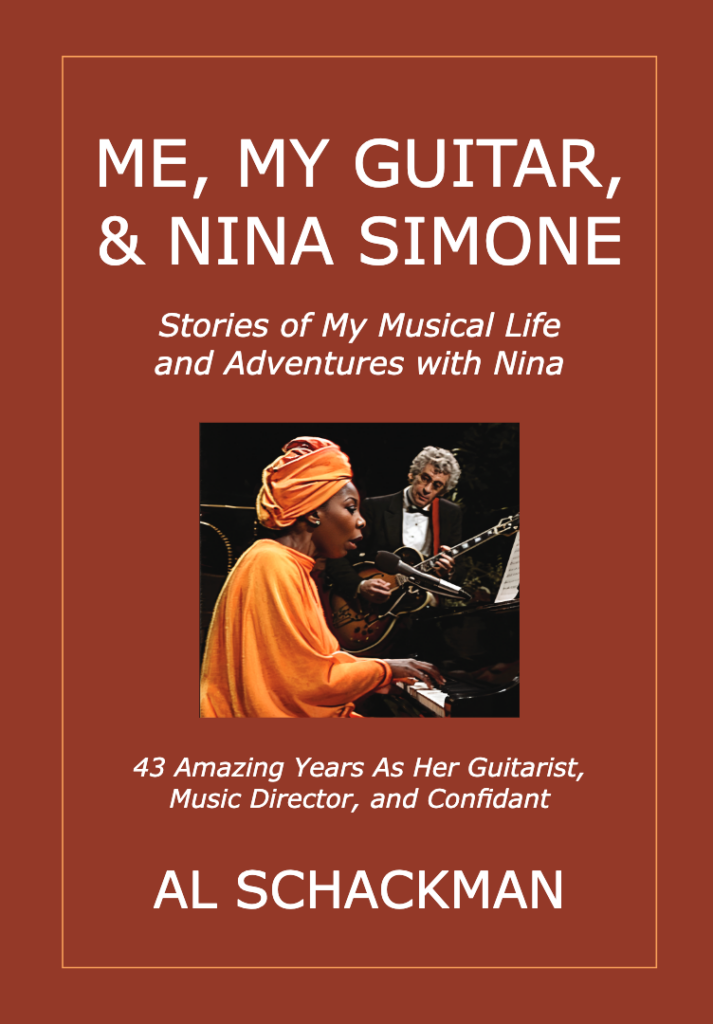
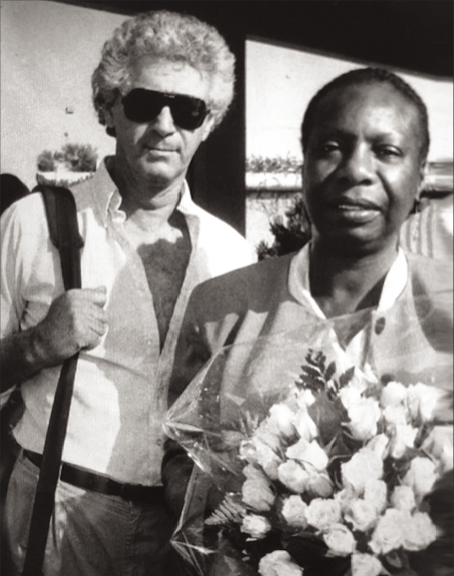
Al Schackman’s Me, My Guitar, & Nina Simone offers a starting point for considering how personal experiences connected to music and creative life can be brought into book form. Jenkins Group assisted with the book’s production and printing, including cover design, interior design, and publishing registrations.
Projects like this highlight an important part of publishing personal stories: the finished book is more than the material gathered along the way. It is the result of shaping that material into a cohesive publication that readers can hold, explore, and return to.