A life can look surprisingly simple on paper.
A hometown. A career. A marriage. Places traveled. Accomplishments collected along the way.
But those facts only tell part of the story. The experiences behind them—the choices you made, people who influenced you, challenges you faced, passions you pursued, and lessons you picked up along the way—are what make the story yours.
A personal legacy book gives you a chance to preserve those experiences in your own words and share them with the people who matter most. And you don’t have to document every moment of your life to create one. By identifying the stories that matter, finding a structure that connects them, and making thoughtful choices about the finished book, you can create something that feels true to the life you’ve lived.
Start With the Stories That Matter
When people begin thinking about documenting their lives, there can be a natural urge to start at the beginning and work forward.
Where was I born? Where did I go to school? What came next?
Those details provide context, but they don’t necessarily have to lead the story.
Instead, think about the memories you find yourself returning to. Maybe it’s starting a business with little certainty about where it would lead. Spending summers in a place that still feels like home. Pursuing a career that took an unexpected turn. Traveling somewhere that changed your perspective. Overcoming a difficult season. Or dedicating decades to a craft, cause, or hobby.
Ask yourself a different question: If someone wanted to understand who I am, which stories would I tell them?
Those are often the best places to begin.
Find the Thread That Connects Them
Once you’ve identified the stories you want to tell, the next challenge is deciding how they fit together.
Chronological order is one option, but it isn’t the only one. A personal legacy book can also be organized around the themes that have shaped your life.
An entrepreneur might structure a book around pivotal decisions and lessons learned while building a company. A lifelong traveler could organize chapters around places and the experiences connected to them. Someone looking back on a long career might focus on mentors, challenges, accomplishments, and moments of change.
Finding that thread gives the book direction. Rather than trying to fit every memory onto the page, you can focus on the stories that contribute to the larger picture you want to share.
Look Beyond Your Memories
You may already have years of material waiting to be rediscovered.
Old photographs, handwritten letters, journals, newspaper clippings, awards, maps, documents, and other keepsakes can help fill in details and bring another dimension to the story.
Going through those materials can also uncover memories you haven’t thought about in years. A photograph might remind you who was there. A letter could bring back a conversation. A newspaper clipping might provide context for an accomplishment or moment that has become fuzzy with time.
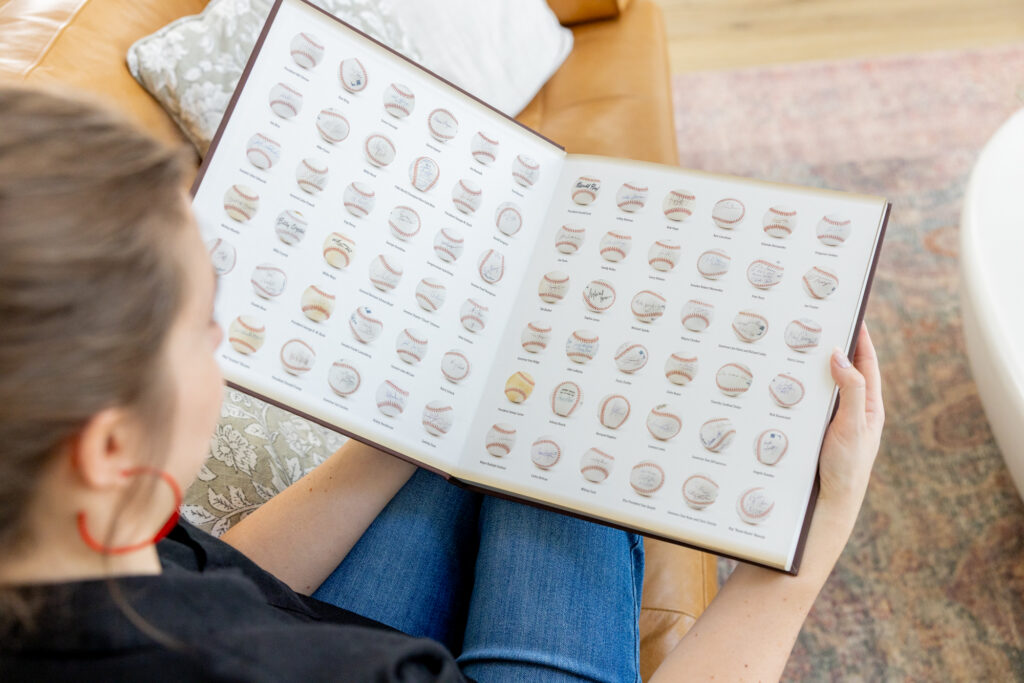
These pieces can become part of the finished book, too. When thoughtfully incorporated into the design, they allow readers to see pieces of the life they’re reading about rather than simply hearing about them.
Preserve the Way You Tell the Story
Two people can experience the same moment and tell completely different stories about it. That’s why voice matters.
Your sense of humor, favorite expressions, observations, and perspective are part of what makes a personal legacy book personal. Good editing should bring clarity and structure to those stories without polishing away the personality behind them. And you don’t necessarily have to sit down and write a manuscript from beginning to end.
Some people arrive with pages already written. Others start with journals, recordings, photographs, notes, or conversations with a professional writer. Interviews can be especially valuable for capturing the natural way someone speaks and remembers an experience.
The process can be built around the way you’re most comfortable telling your story.
Make the Book as Personal as the Story
A personal legacy book doesn’t have to look like anyone else’s.
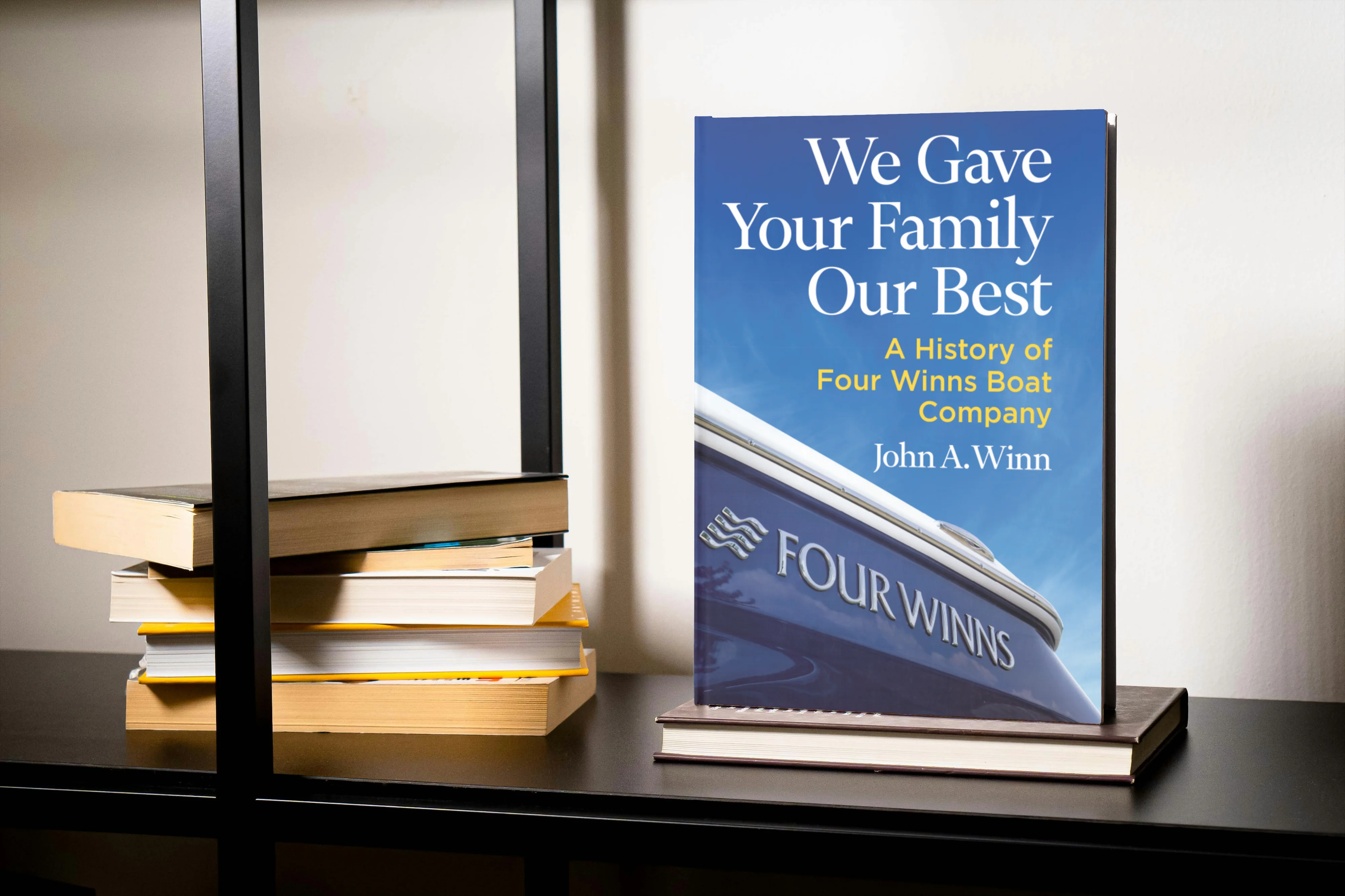
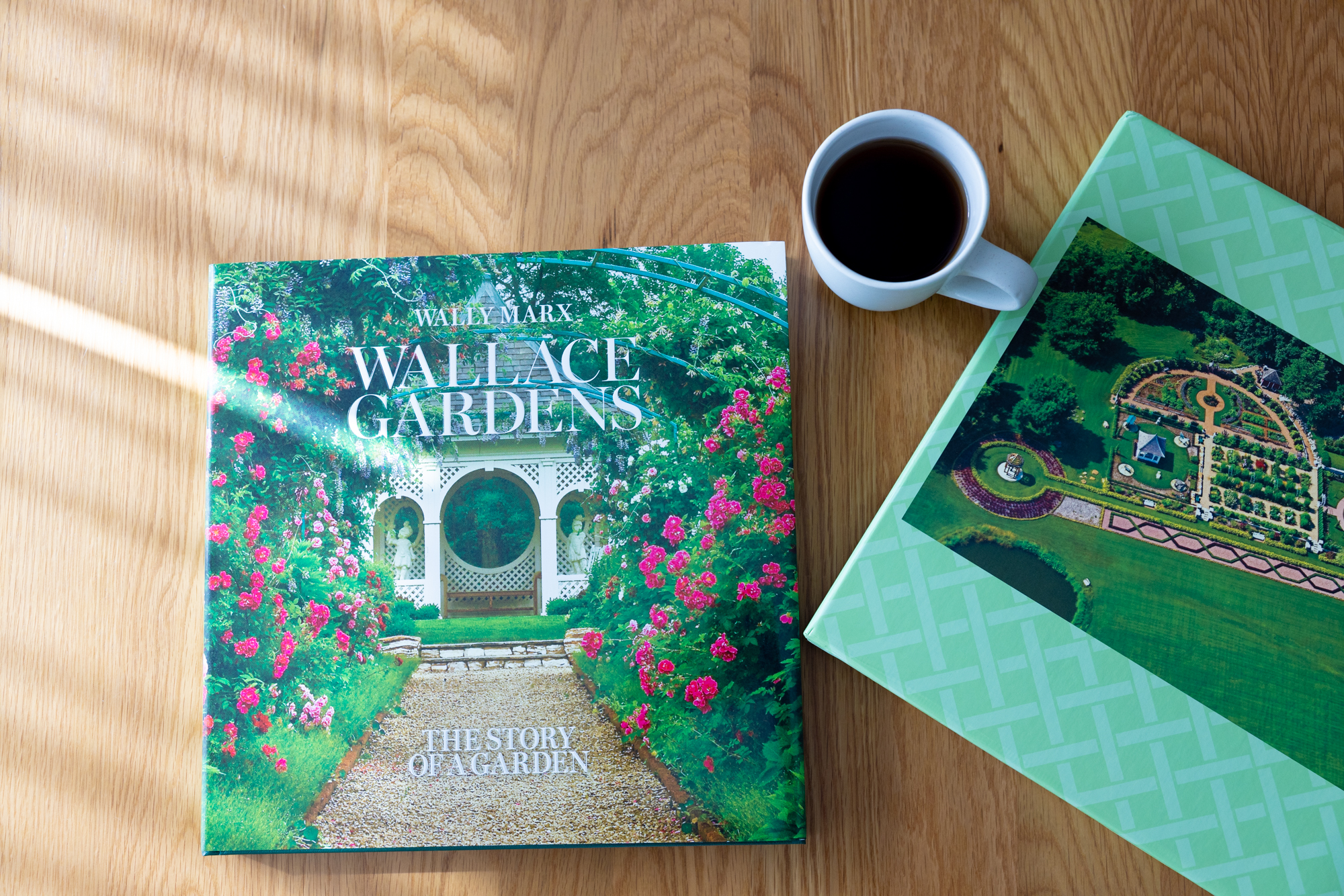
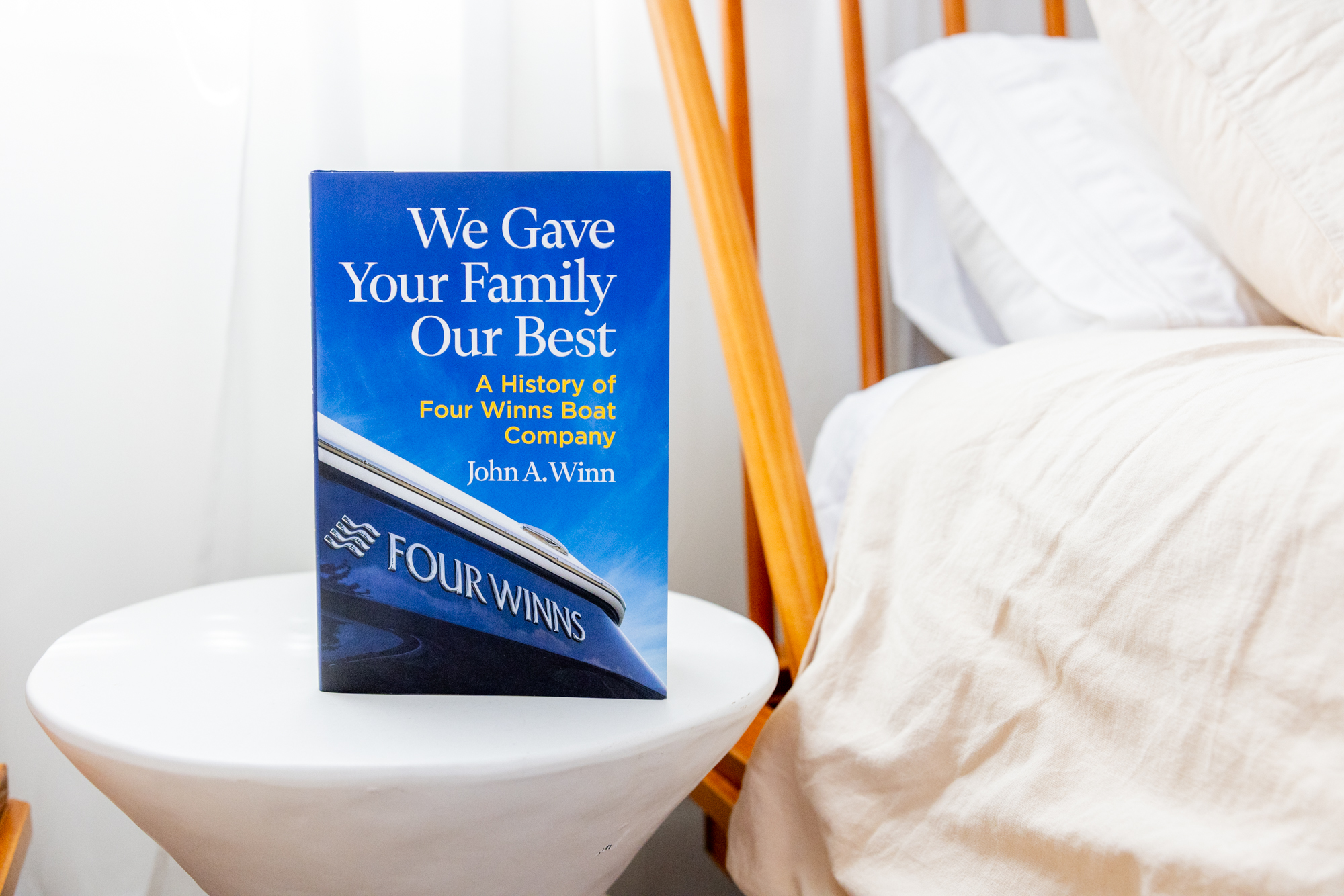
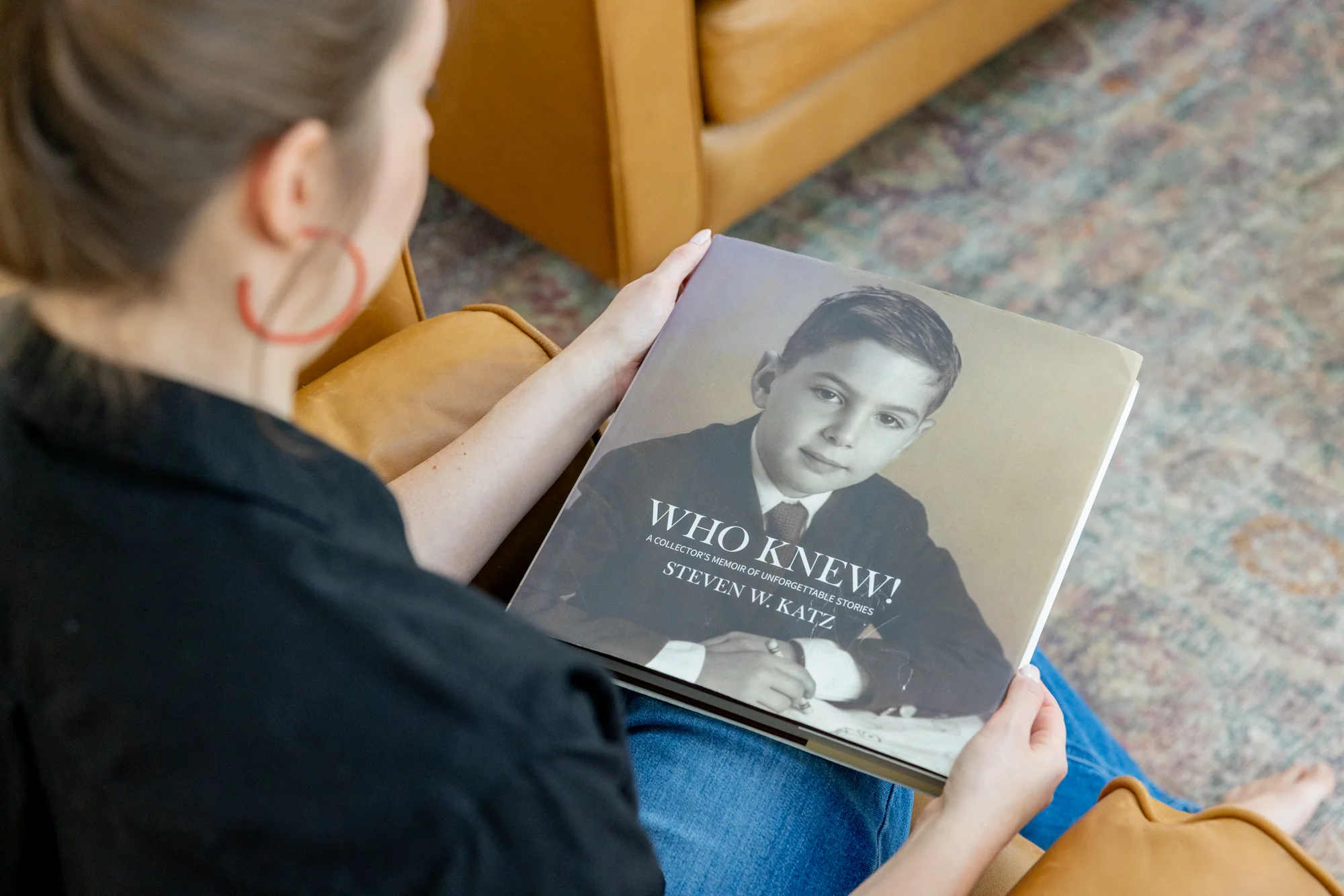
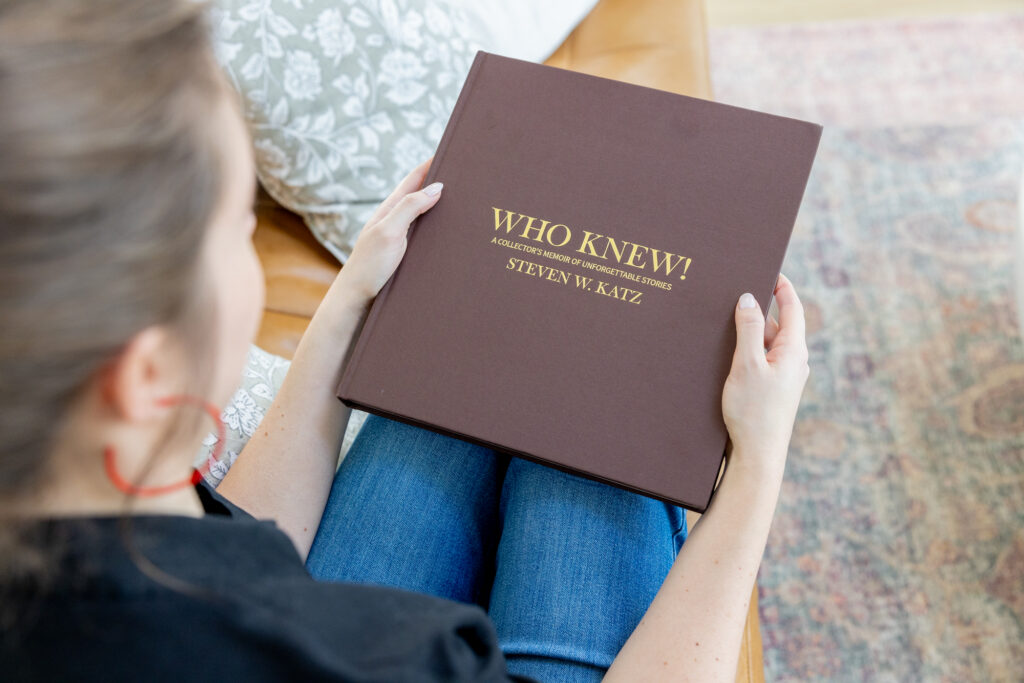
The details can be tailored to the story you’re telling, from the size and shape of the book to the materials you choose for the cover. A photography-rich story might call for a larger format that gives favorite images room to shine, while a more traditional memoir may feel at home in a classic hardcover.
From there, smaller details can make the book even more personal. You might choose a cloth cover with foil stamping, a custom dust jacket, printed end sheets, a ribbon marker, specialty paper, or a slipcase designed specifically for the book. Family photographs, handwritten notes, letters, maps, artwork, and other personal materials can also be thoughtfully incorporated throughout the pages.
Even choices like typography, color, and page layout can reflect the personality and tone of the story.
These details aren’t simply decorative. Together, they help create a book that feels distinctly yours before the first page is even turned.
The Best Place to Start Is With One Story
Creating a book about your life can sound like a monumental undertaking when you think about decades of experiences all at once.
So don’t start with your entire life.
Start with one story.
Write down the memory you don’t want to forget. Pull out the photographs you’ve been meaning to organize. Record yourself telling the story you’ve shared dozens of times. Make a list of the people, places, experiences, and turning points that have mattered most to you.
You don’t need to know the final chapter before you begin the first one.
Bringing Your Personal Legacy Book to Life
Since 1988, Jenkins Group has helped individuals transform memories, photographs, personal materials, and life experiences into thoughtfully crafted books.
Whether you’re beginning with a finished manuscript, a collection of photographs and journals, or simply stories you know you want to preserve, our team can guide the process through writing, editing, design, printing, and production.
The story already exists. Creating a personal legacy book is about giving it a place to live.
Have a story you’ve been thinking about preserving? Let’s talk about what your personal legacy book could become.