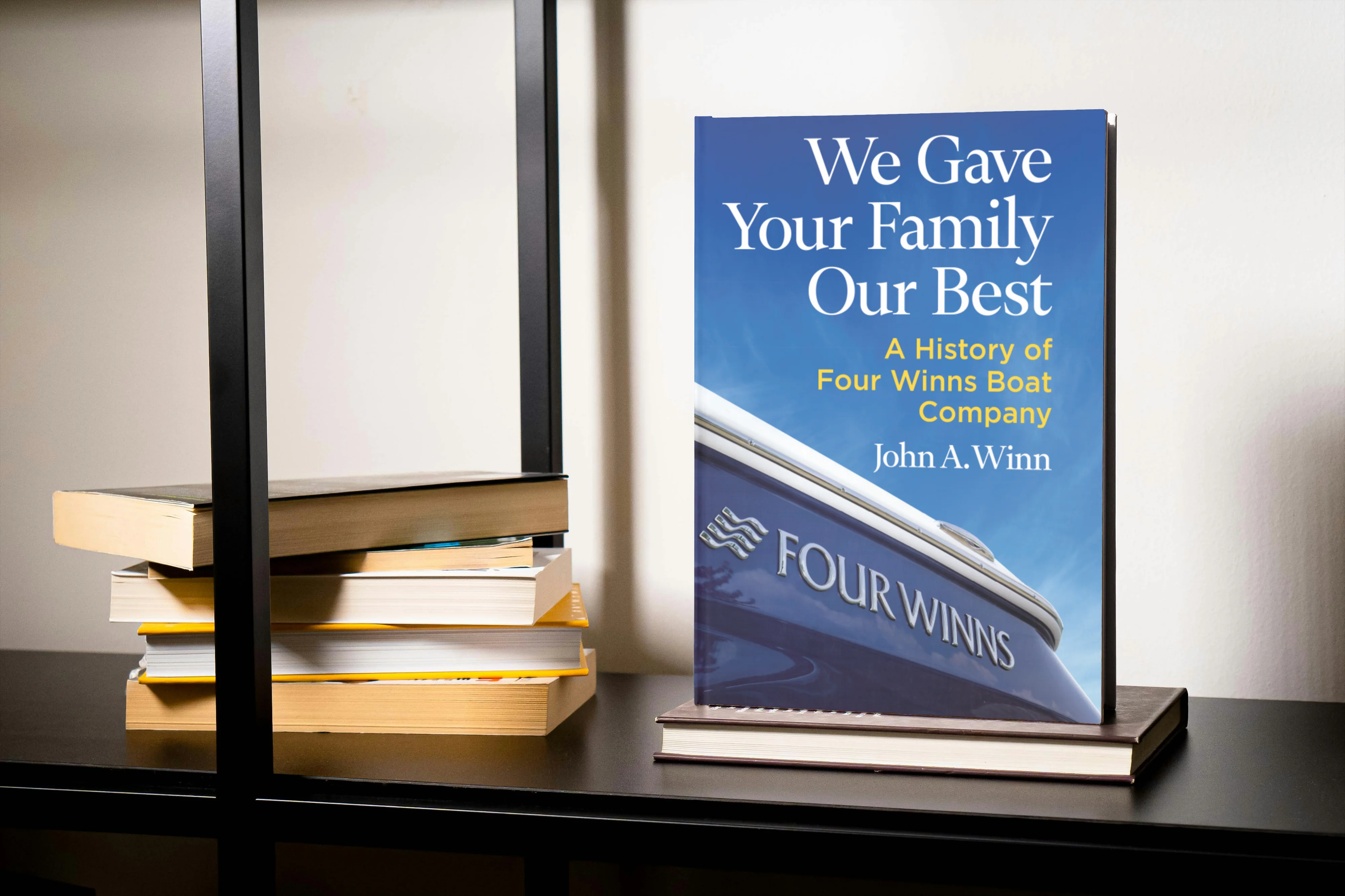

- A nonfiction business book can spotlight your brand, business, or organization.
- When learning how to write a nonfiction business book, you should:
- Lay a strong foundation for the story you want to tell and
- Structure the information you share in a way that makes the most impact.
- Writing the book is only half the journey—once written, you’ll need to market and promote it. You’ll also need to find a reliable publishing partner, like Jenkins Group.
Planning on writing a business book? It’s an incredible booster for a brand, business, or organization. After all, you don’t just build your authority in your industry by sharing your expertise and telling your story. You also get the chance to help others learn from your journey. Your book can serve as a springboard for creating webinars, public speaking engagements, and more. However, many authors hesitate when it comes to figuring out how to write a nonfiction business book, particularly on their own. Of course, guidance from established publishers of business books like Jenkins Group can help you avoid mistakes that cost precious time and/or money to correct. Read through this guide to learn how to publish a nonfiction book. We’ll take you from the planning stages to filling pages, then marketing and promoting your masterpiece.
Lay a Strong Foundation for Your Book
Think of writing your book like constructing a building. You’ll first need to lay a good foundation to ensure it holds up when you’re writing and selling it. You won’t start typing up chapters right away because you need to lay the groundwork. This groundwork includes establishing your book’s:
- goals (why),
- audience (who), and
- message (what).
Defining these points makes the book easier to write and more likely to leave an impact on its readers.
Find Your “Why”
So, you’ve decided to write a business book. What is your purpose in doing so? How will it benefit you? Common goals to focus on as you write a nonfiction business book include:
- Attracting new clients or customers
- Building your brand and reputation
- Leaving a legacy or celebrating milestones
Be crystal clear on why you want to write your book. It keeps you on track throughout your publishing journey.
Know Who Your Readers Are
Who will be reading your book? How will it benefit them? Write your nonfiction business book to satisfy your audience’s needs and the challenges they face. This helps you tailor your content for the biggest impact. Business book readers often include:
- Corporate executives
- Small business owners
- Veteran and new professionals
- Established entrepreneurs
- New or aspiring entrepreneurs
The more you narrow down your audience, the more effective you’ll be in writing a book that reaches and resonates with them.
Understand What Value You Can Offer
Now, you need to merge your purpose with the needs of your audience. Ask yourself what you can offer your readers that other authors can’t. Experienced publishers of business books will tell you that the best ideas come from solving real-world problems and sharing compelling stories. For example, you might break down strategies that have helped you and your clients succeed. Remember to punctuate your points with anecdotes of when things worked and didn’t work. Or, start with your own frustrations. What do you wish you could have learned from the books you read at a certain point in your career? Write the book you wish you’d gotten ahold of years ago. 
Structuring Your Book for Success
Returning to our earlier analogy of constructing a building, you need to erect a solid structure after laying your foundation. A well-structured book clearly and efficiently takes readers from one idea to the next.
Create Your Outline—The Blueprint for Your Manuscript
You won’t have just one be-all and end-all outline for your manuscript. How each point is conveyed is likely to change over each draft you write, so your finished nonfiction business book might be even better than you imagined. Start with a rough sketch of the basic structure of your book. Break your content into major themes and the key points to cover for each. Turn those points into chapters and sections. You’ll find the idea of writing a book less intimidating if you focus on one chapter or section at a time. As you go along and review the concepts or do research, your outline will grow and evolve. You may find yourself rearranging the order of your chapters and sections. That’s completely normal and even expected.
Hook Your Readers at the Beginning
When it comes to hooking your readers, you need to “have them at hello,” to misquote the movie Jerry Maguire. Start strong because prospective readers will often only read the first few pages. Sometimes, just the first page determines whether they’ll buy or continue reading your book. Use your introduction to grab your readers’ attention. Show them why they should trust your expertise and what they will gain if they keep reading.
Organize Your Chapters for Logical Flow
Your chapters and topics should follow a natural progression of ideas. Each chapter should build on the last in a way that makes sense. Present foundational concepts before going into detailed discussions. Going back to our building analogy, you’ll want to build the floor before setting up the rooms. Struggling with this step? Get help structuring your manuscript from established publishers of business books like Jenkins Group.
Include Supporting Elements
Your book doesn’t have to consist of paragraphs upon paragraphs on every page. Break up text and make your book more reader-friendly by adding supporting elements. These can include:
- graphs
- summaries
- bullet points
- diagrams
- infographics
Children aren’t the only ones who enjoy a good visual, so illustrate your points creatively.
End with Impact
This tip applies to both the end of each chapter and section and the conclusion of your book. Chapters should end with key takeaways and insights. These reinforce your message and give readers a chance for immediate application. Your book’s conclusion should also be more than a rehash of everything you’ve already talked about. This is your chance to tie it all together. End your book by inspiring your readers—to take action, to keep learning, and to inspire others. 
Design and Production
Your manuscript is only the beginning. These steps are what transform your book from a concept to a tangible product.
Fine-Tune Your Content
Pre-press production includes important elements like cover and interior design, layout, registrations, and proofreading. Even business books need striking visuals to match the messages in the text and stand out on shelves. During this stage, you’ll get to finalize the design and refine the content at a micro level.
Printing & Binding
You know how to write a nonfiction business book, but do you know how to print and bind one? Production at scale requires significant coordination and resources, so it’s essential to partner with experienced publishers of business books for the best experience. From pre-flighting and print coordination to the actual production and physical binding, the right manufacturing partner can provide a product you’ll be proud to share and promote.
Marketing and Promoting Your Book
Once you’ve got your manuscript, you need to market and promote it. Otherwise, how will your book reach your readers? Keep reading for some marketing must-dos.
Build Anticipation Before the Launch
Before your book even goes to print, start promoting it. Most publishers of business books suggest creating buzz long before your book launch. Some things you can do include:
- Sharing your writing journey on social media
- Teasing key insights from your book
- Releasing a free chapter as a preview
Market on Multiple Platforms
Once your book is ready and available, promote it on multiple platforms. You’ve learned how to write and publish a nonfiction book, so now you need to make it visible and accessible to your readers. Here are some of the ways you can do that:
- Social media campaigns
- Email marketing
- Promotional materials and giveaways
- In-person and online launch events
- Appearing on podcasts, shows, and more
- Features on news and other websites
- Partnering with influencers or guest posting on blogs
- Book awards
- Other publicity opportunities
Tap Into Your Network
Don’t underestimate the power and reach of your personal and professional networks. Share your book with industry contacts, including colleagues and clients. Don’t forget to encourage them to share it with others.
Repurpose Content from Your Book
Use your book as the main reference for blog posts, social media posts, webinars, workshops, explainer videos, and more. This helps reinforce your authority and widen your reach. It’s a tried-and-true method recommended by many publishers of business books.
Encourage Reviews and Testimonials
When people say good things about your book, sales will follow. So, encourage readers to leave reviews online, especially on platforms like Goodreads, Amazon, Barnes & Noble, and more. Testimonials or reviews from industry leaders or influencers are worth that person’s weight in gold from a book marketing perspective. The impact of even just one successful YouTuber referencing your book for business tips could be immense.